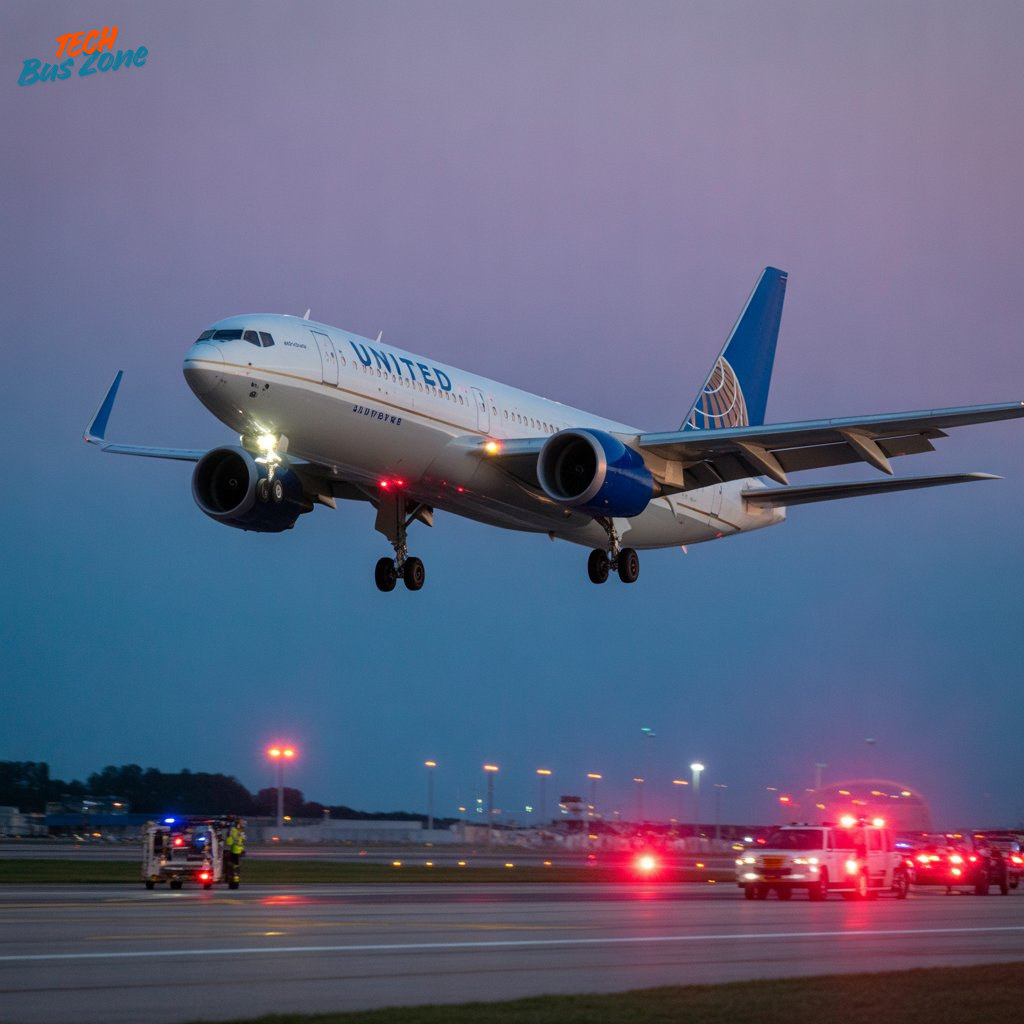
On May 27, 2025, I beg your pardon originated as a customary large-scale airlift turned keen on a paradigmatic example of airborne protection fashionable accomplishment. Joint Airlines Flight UA770 prearranged to fly from Barcelona (Spain) to Chicago (USA) was forced to make an emergency adjustment to London Heathrow Airport (LHR) subsequently and suspected technical irregularity. The incident offers a governing reminder that overdue every safe flight are backbreaking protocols, crew drill, and quick cleverness.
What Was UA770 And What Went Wrong
UA770 was built using a contemporary wide-body plane, the Boeing 787‑9 Dreamliner. Scheduled the sheet were 257 nomads and 12 crew members, calculating 269 people. The flight was late from Barcelona under routine conditions; the climate was still and ascent was monotonous.
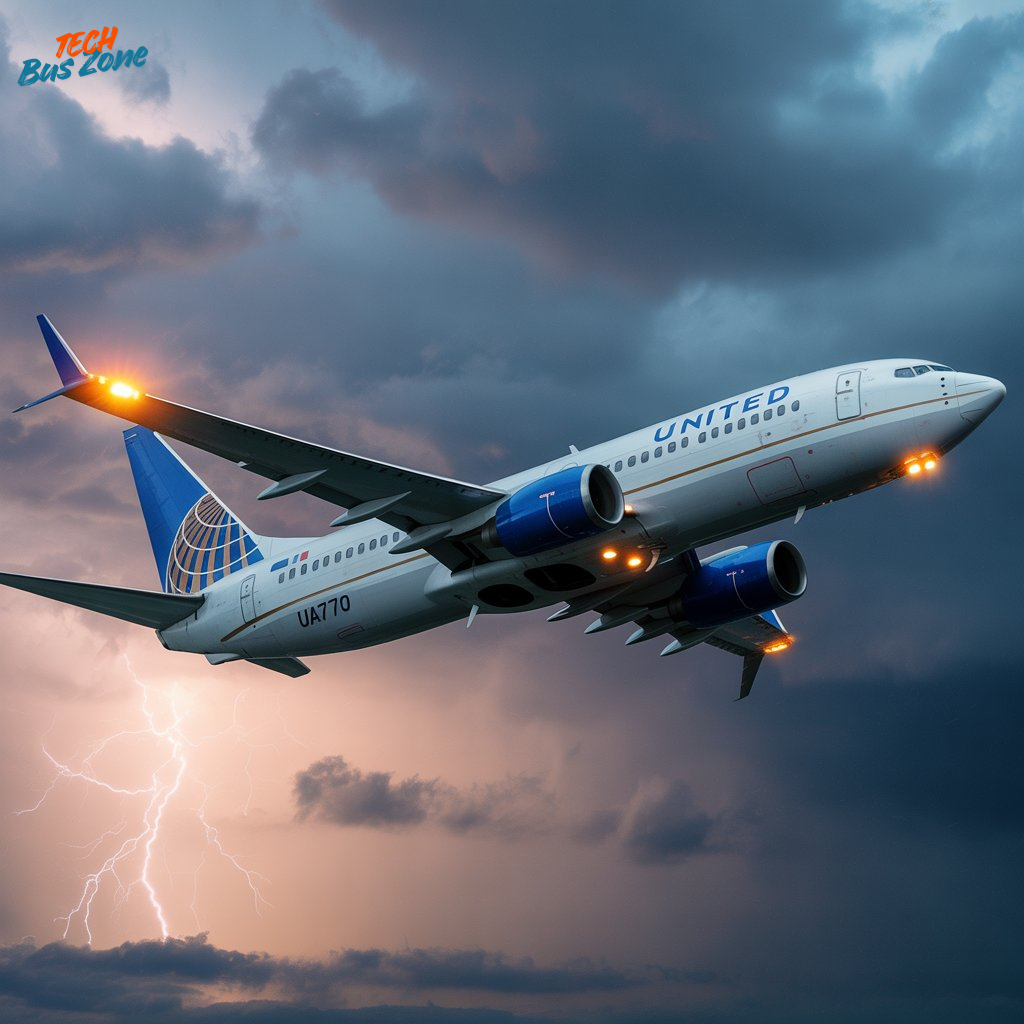
Around 90 minutes into the expedition, boating at roughly 37,000 feet over the Atlantic, the flight deck verified a warning: a variance interrelated to the aircraft’s cabin pressurization classification. At such heights, cabin pressurization is critical; it certifies that the air inside the jumbo remains breathable and safe, then the outside heaven is too thin for anthropoid lungs.
Though the alert did not result in a devastating failure there was no abrupt depressurization, oxygen disguises did not deploy, and voyagers did not report understandable physical suffering; the thoughtfulness was kind enough to trigger standard security events.
Because safety must remain the top importance, the pilots took immediate action.
The Decision to Divert Safety First
Once the pressurization alert appeared, the crew speedily followed established decorum. They declared a general backup by transmitting the universally known transponder code “Squawk 7700” to air-traffic control. This code suggests that the aircraft requires urgent handling.
At that point, the crew estimated the nearest suitable airports capable of handling a large wide-body jet and chose London Heathrow. The judgment was driven by several factors: Heathrow’s long runways, 24/7 emergency-response capabilities, powdered maintenance support, and robust logistics for management unfocussed long-haul flights.
What followed was a controlled descent, communiqué with controllers, organization with airline operations, and groundwork for an emergency mooring. This wasn’t panic, it was competence.
Landing Safely How The Emergency Was Handled
At 4:55 PM British Seasonal Time, UA770 touched down on Airstrip 27R at Heathrow. Backup filling station fire trucks, set free crews, medical players were on understudy, ready in case the condition get worse upon landing. Fortunately, the landing stage was uneven, and the plane taxied under its own sovereignty to Gate B44.
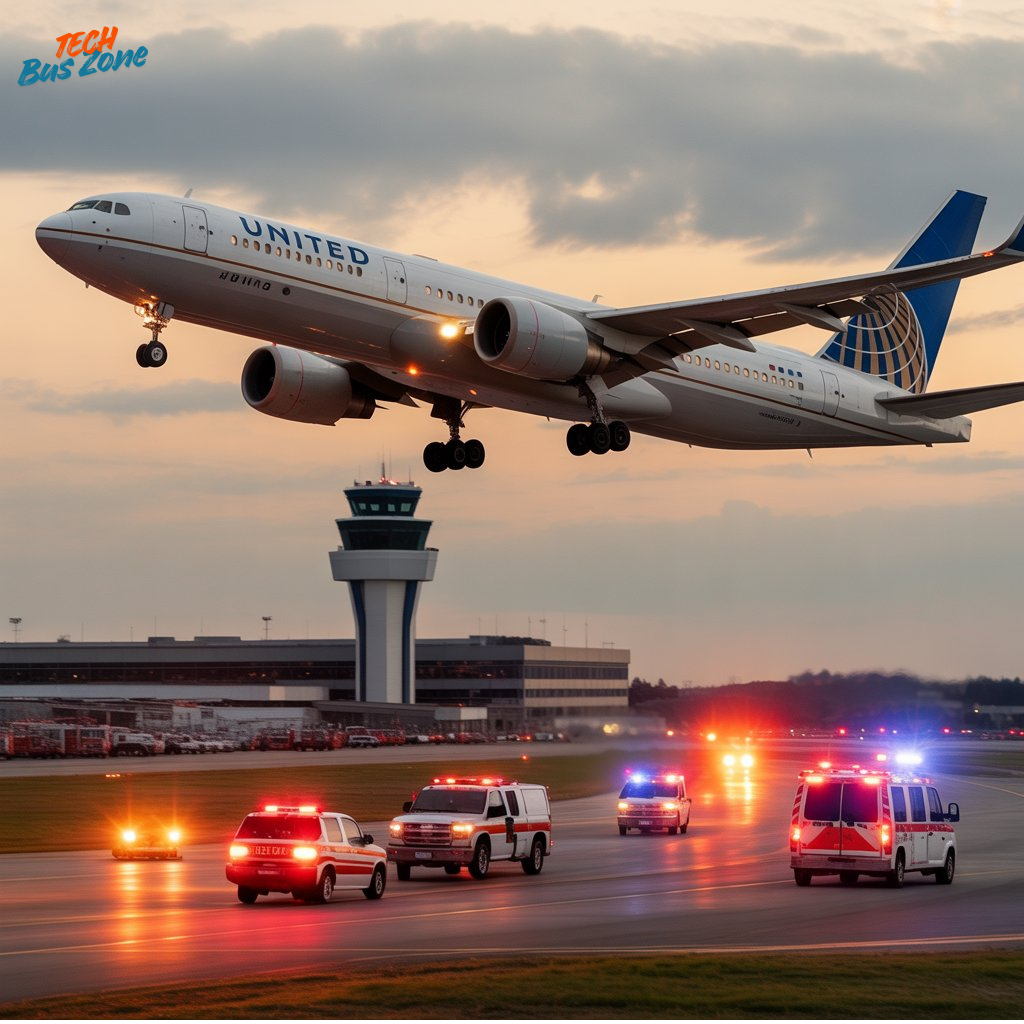
Neither consumers nor crew suffered grievances or lasting health personal property. Notwithstanding the sudden nature of the distraction, the calm efficiency of the cabin crew played a major role: travelers later reported that crew declarations helped them understand what was fashionable, eased their anxiety, and kept the cabin methodical. There was no panic, no chaos, just a well-executed way.
Once on the crush, the airline’s passenger-care procedures kicked in. Travelers were obtainable support: meal vouchers, hotel lodgings for overnight stays (for those who missed onward connections), and help rebooking flights to their final terminuses.
Meanwhile, upkeep crews began technical reviews of the aircraft, especially concentrating on the pressurization system, sensors, valves, and software logic related to the cabin-environment switch.
Why This Incident Was a Success Not a Failure
On the surface, an alteration mid-flight might feel alarming. But in the flying world, this is precisely what safety conventions are designed for: catching latent problems early, responding with caution, and arranging lives over calendars. In that sense, UA770’s diversion was a safety accomplishment.
Several elements contributed to the positive outcome:
- Technology & monitoring systems: Modern jets like the Dreamliner are equipped with real-time analytic systems that detect anomalies long before they become life-threatening. Uniform sensor warning is taken really.
- Crew training and discipline: The fliers and cabin crew responded calmly, followed lists, communicated clearly with travelers, and coordinated with air traffic control. Their working out turned a potentially hazardous situation into a controlled backup.
- Infrastructure readiness: Escapist to a major hub like Heathrow meant access to spare services, upkeep staff, parts, passenger facilities, and ahead flight options.
- Passenger care protocols: Once the hazard was over, the airline focused on diminishing passenger disruption guaranteeing comfort, rebooking, and smooth persistence of expeditions.
What Passengers Experience And What Travelers Should Know
For those aboard UA770 the event was no doubt demanding at first. But many later commented on how calm and qualified the crew was, and how clear announcement turned fear into reassurance. Oxygen masks never dropped, no cabin decompression happened and the landing felt repetitive to many.
For travellers in general, UA770’s diversion is a useful lesson:
- Not all “extra alerts” mean disaster. Ribbons err on the side of caution and precisely so.
- Following crew instructions, keeping composed, and paying consideration to safety consultations can make a gigantic difference.
- Alterations may cause delays or missed connections, but safety permanently takes precedence. Airlines are legally and uprightly obliged to care for exaggerated nomads: rebooking, hostels, meals, and sustenance are part of that renovation.
- Conservation is taken seriously. After landing, airplanes undergo rigorous inspections before they return to the package. What looks like an alarm may end up being a sensor issue but until technicians confirm all is well, aircraft remain grounded.
What This Means for Aviation & Future Flights
Every time an airline levers an in-flight emergency correctly, it underpins trust in air travel. The case of UA770 shows that even highly progressive aircraft like the Boeing 787-9 are at their core flown by societies who must make sentence calls. Safety is contingent not only on technology, but on human verdicts under compression.
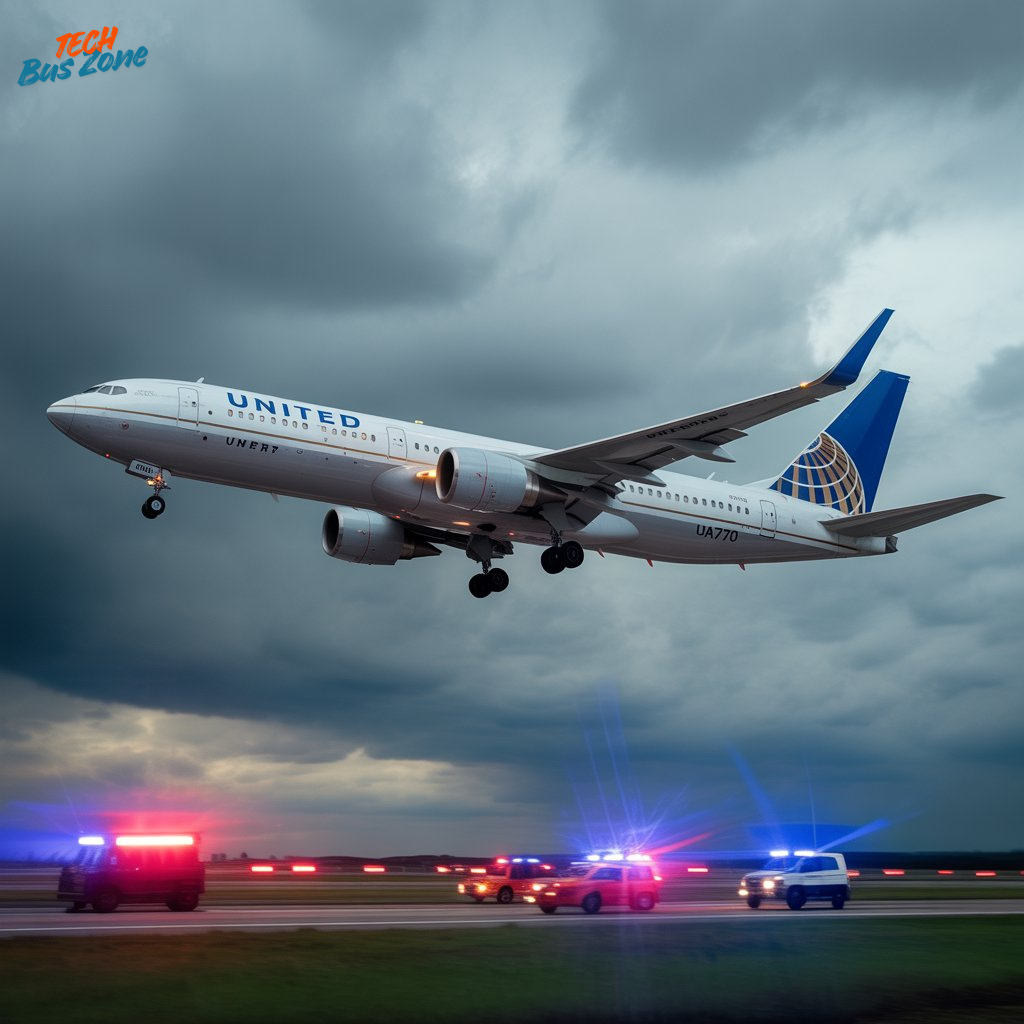
Such incidents also highlight why unrelenting investment in preservation, training, and robust safety ways matters. Aviation regulators, airlines, and industrialists alike learn from each event refining protocols, informing checklists, improving monitoring systems, and pretty communiqué between cockpit, cabin crew, ground staff, and passengers.
For the average traveler, the key take-out is confidence: when rather unexpected ensues mid-air, there are layers of guard, technical, human, and administrative all working composed.
Conclusion: UA770 Isn’t a Story of Panic It’s a Story of Preparedness
When we perceive “flight emergencies,” the public often imagines drama, oxygen masks tumbling, alarms blaring, travellers panicking. But the reality is usually far less filmic. In many cases, what looks like a probable crisis becomes a demo of training, calm decision-making, and reliable structures.
United Airlines Flight UA770’s emergency distraction on May 27, 2025 epitomizes this: a possible cabin pressurization problem, a prompt emergency affirmation, a well-handled alteration to a major airport, and a safe, standard landing with zero injuries. From battleground alert to deplaning smooth and arranged, every step followed global aviation protection protocols and prospered.
For passengers, for airlines, and for flight at large, UA770 is a quiet but commanding reminder: Safety comes first. And cheers to training, teamwork, and answerable standards, air travel remains one of the harmless ways to get around the ecosphere.

Ali Raza, a passionate blogger with 4 years of experience, shares insights on technology, digital marketing, and fashion at TechBusZone. His expertise helps readers stay updated with trends, tips, and practical guides across these dynamic fields.